

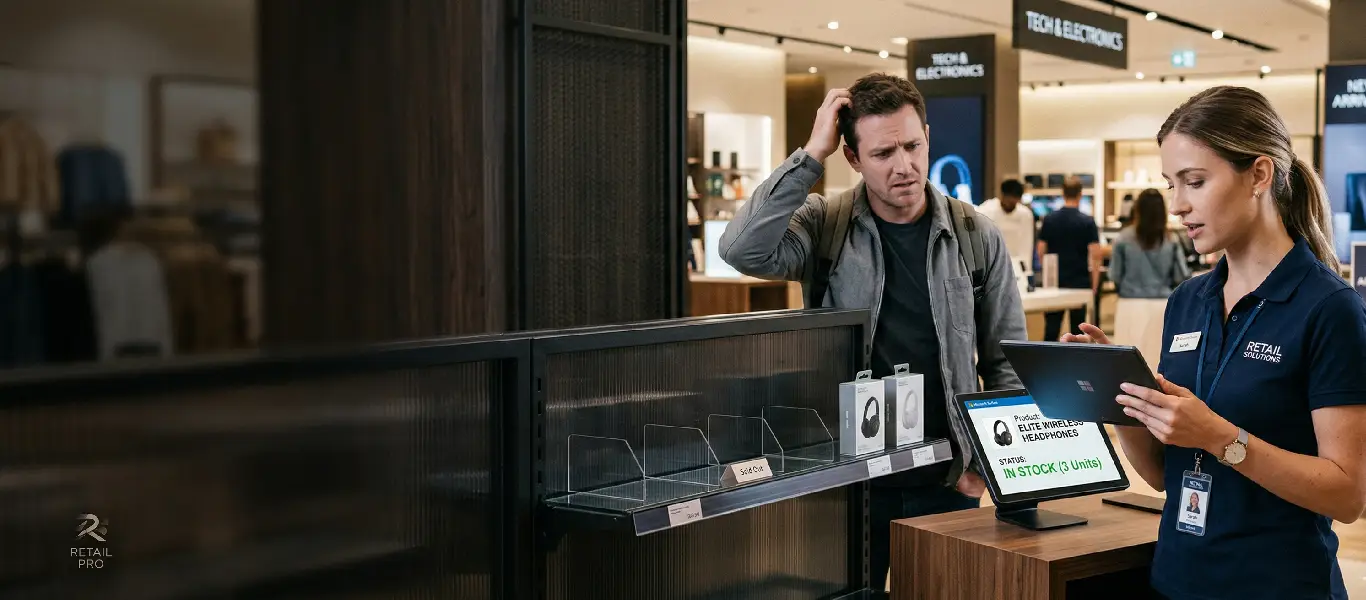

You open your dashboard expecting accurate numbers. Instead, you see stockouts, surprise backorders, and angry customers who were told an item was in stock. This isn’t bad luck. It’s what happens when your point-of-sale system and inventory data live in separate worlds.
Most retailers still operate with delayed or disconnected data. Online sales update hours later. In-store transactions sit in their own system. By the time everything syncs, the real picture on the floor has already changed. The result is constant guesswork, lost sales, and wasted time.
The numbers are brutal. McKinsey research shows retailers with poor inventory visibility lose up to 30% of potential sales from stockouts alone. A 2025 Deloitte study found that 40% of all stock discrepancies come directly from disconnected systems. Even more striking: NRF data indicates that accurate real-time inventory can improve gross margins by 2-4%. For a mid-size retailer doing $10 million a year, that’s hundreds of thousands in extra profit that simply disappears when data lags behind reality.
What Real-Time Unified Inventory Actually Changes
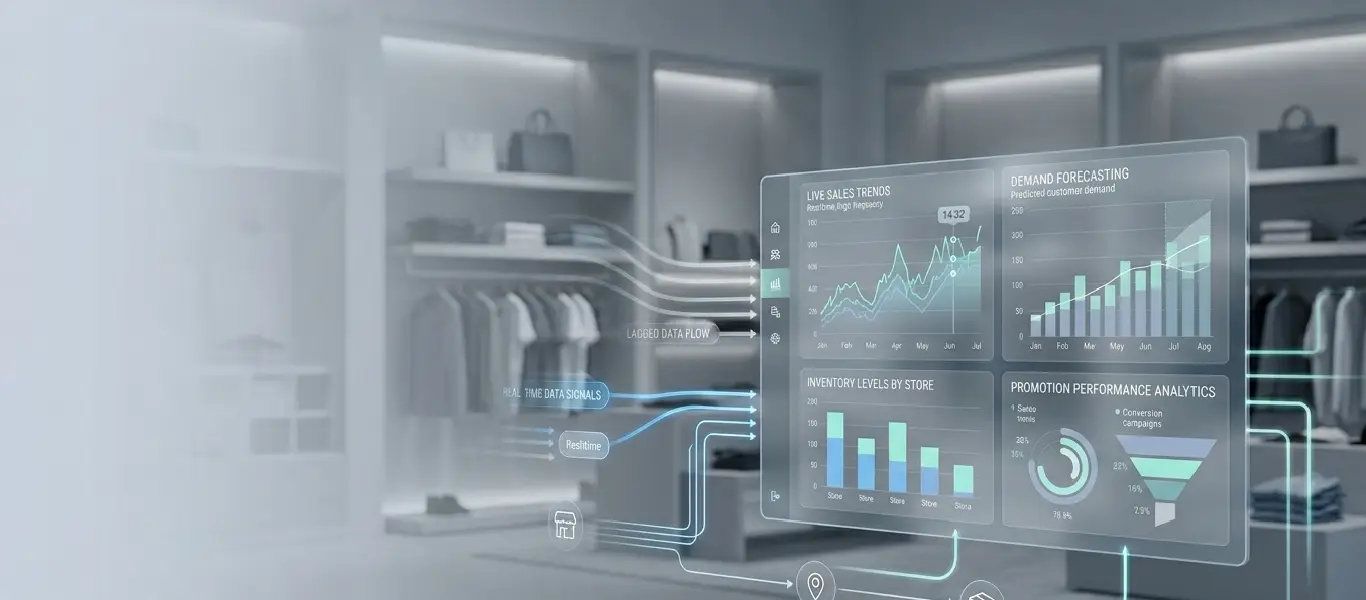
When your POS and inventory are truly unified, everything updates instantly across every channel. An online order immediately deducts from store’s stock. A register sale instantly reflects in your e-commerce platform. No manual transfers. No overnight batch jobs. Just one single, accurate source of truth.
This shift delivers three concrete advantages:
- Fewer stockouts and overstock situations – Real-time visibility lets you move product between locations before customers notice a problem. Retailers using unified systems report up to 25% better inventory turnover and 19% fewer stockouts.
- Faster, smarter decisions – Managers see what’s actually selling right now instead of reacting days later. They can adjust promotions, reorder stock, or shift staff on the spot instead of guessing.
- Better customer experience – Shoppers get accurate availability whether they’re buying online, in-store, or for pickup. Trust goes up and abandoned carts go down.
The technology itself is straightforward. A modern POS connects directly to your inventory, eCommerce, and order management systems, so data flows continuously instead of in batches. For retailers already running respected platforms like Oracle Xstore, this often means adding a real-time synchronization layer that works seamlessly alongside their existing setup.
Is your inventory accurate in real-time?
The Bottom Line
Inventory accuracy used to be a nice-to-have. In today’s market, it’s a competitive necessity. The gap between retailers who have real-time unified visibility and those who don’t is widening fast. The ones who close it first gain clearer operations, higher margins, and more loyal customers.
For a closer look at how real-time inventory with unified POS data can work in your business, SkillNet Solutions offers personalized demos tailored to real retail needs. Schedule one today.


 Omnichannel and Stores
 Digital Engineering
 Technology Consulting