

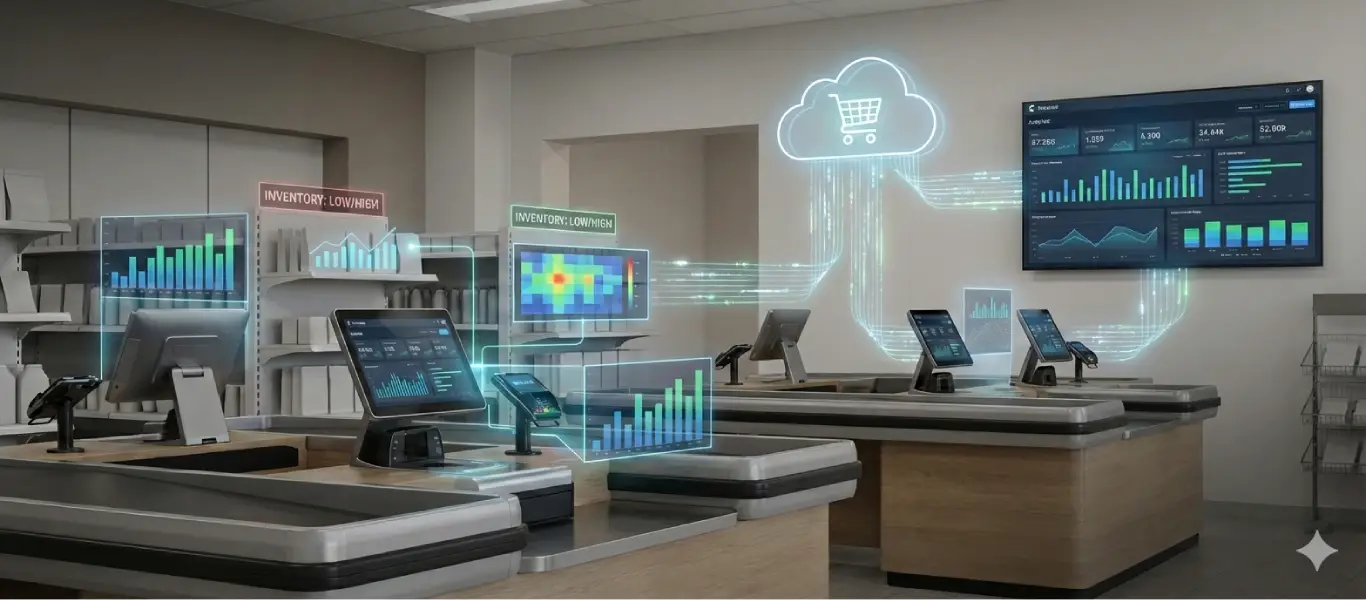

In retail, every transaction tells a story. The point-of-sale (POS) system used to be just a way to ring up purchases. Today, it is one of the most important data sources in the business.
Every sale that passes through the POS creates a clear, timestamped record of what actually happened: which item sold, at what price, in which store, and how the customer paid. That makes POS data a frontline source of truth for demand. When this data is integrated with inventory, e-commerce, and analytics systems, it becomes the foundation for better decisions across the entire retail operation.
This article looks at how modern POS data powers real-time analytics, predictive models, and omnichannel experiences, and why that matters for growth and profitability.
POS as a Single Source of Truth
Many retailers still struggle with fragmented systems. Stores, online channels, and warehouses often run on separate platforms, each with its own view of sales and stock. The result is familiar: ghost inventory, conflicting reports, and teams arguing over which numbers to trust.
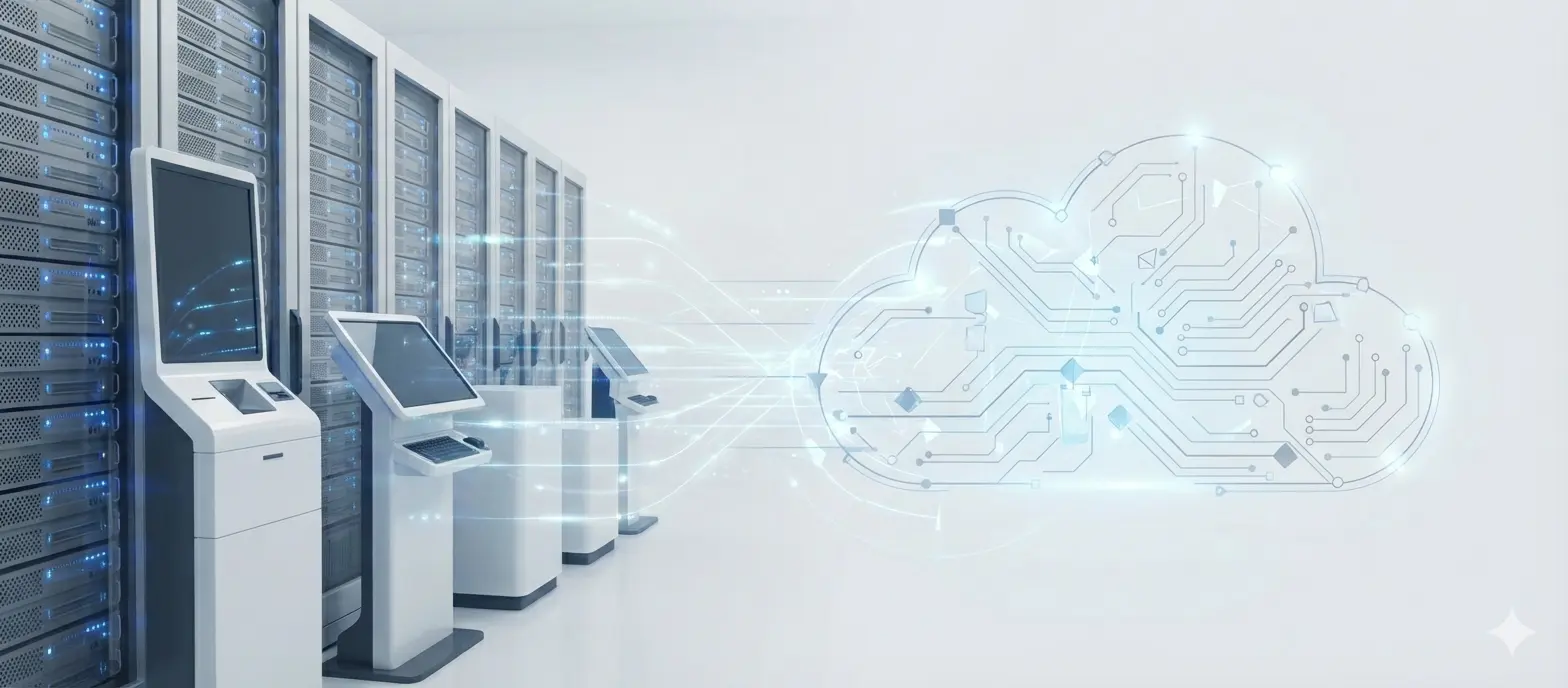
A unified POS platform changes that. When all channels feed into a single POS-driven data model, retailers gain one version of the truth for sales, inventory, and customer activity. Instead of reconciling spreadsheets or waiting for end-of-day batch jobs, leaders can rely on a consistent view of performance across the business.
This consistency builds confidence. Merchandising, finance, marketing, and store operations can all make decisions knowing they are looking at the same, up-to-date information.
From Historical Reports to Real-Time Retail
Traditional retail reporting is backward-looking. Sales reports are generated at the end of the day, week, or month. They are useful for understanding trends, but far too slow for reacting to what is happening in the moment.
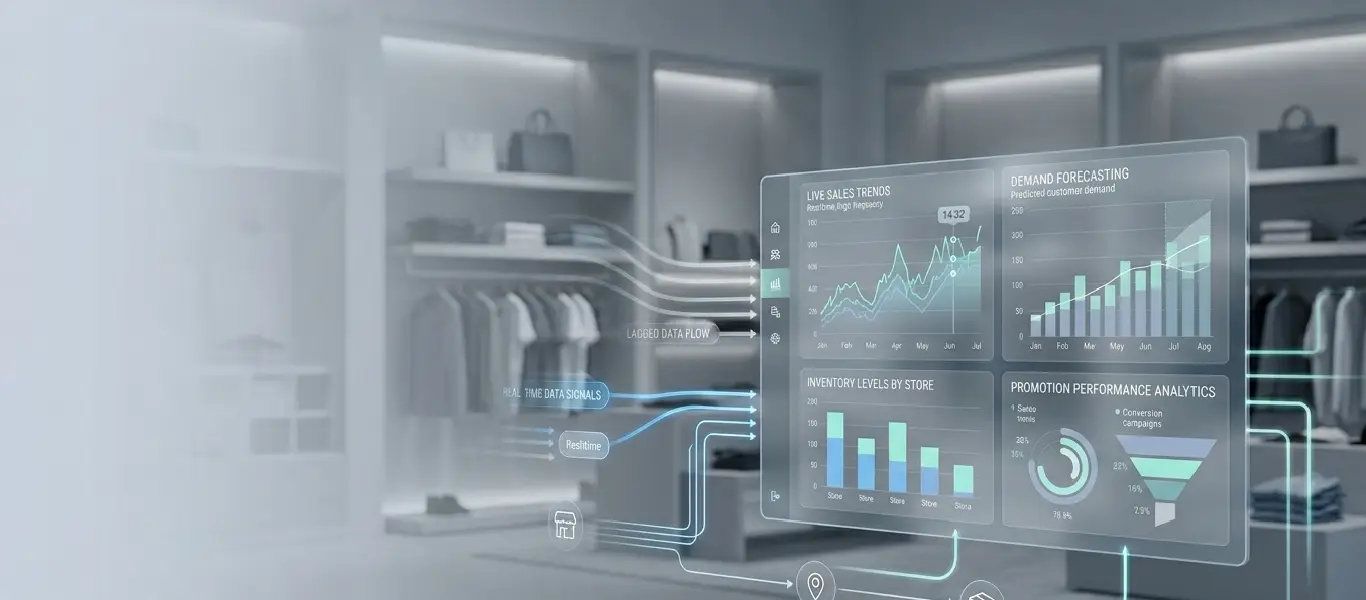
With real-time data pipelines, POS events stream directly into central systems as they occur. When an item is sold in a store, inventory can be updated immediately across the website, warehouse, and planning tools. When a promotion fails to move the needle by midday, marketing can adjust the offer the same afternoon.
This live view has several benefits:
- Teams see sales, inventory levels, and basket patterns as they change, not days later.
- Stockouts can be identified early, so replenishment or substitutions can be triggered.
- Stores avoid overselling online inventory that has already been bought in-store.
Real-time integration also reduces manual work. Retailers that used to spend time reconciling systems or counting shelves at the end of each day can rely on automated updates driven by POS events. That frees people to focus on higher-value tasks.
Predictive Insights Built on POS Data
Real-time visibility is powerful, but the bigger step is using POS data to predict what will happen next.
Historical POS records, combined with other data such as lead times, seasonality, and local events, feed machine learning models that can forecast demand more accurately. Retailers use these models to:
- Improve in-stock performance and reduce overstocks.
- Plan smarter promotions and pricing based on how customers actually respond.
- Anticipate which products, stores, or regions will need more inventory.
The impact is measurable. Data-driven inventory management has been shown to reduce lost sales from stockouts and cut excess stock, which lifts overall sales and margins. In pricing and promotions, retailers that move away from blanket markdowns toward analytics-guided decisions often see small percentage gains in sales and profit that add up to significant dollars across a large network of stores.
POS data is also essential for customer analytics. When transactions are linked to customer profiles or loyalty IDs, retailers can understand which products tend to be bought together, who is likely to churn, and which offers resonate with different segments. That insight supports more relevant recommendations and targeted campaigns.
Enabling Omnichannel Retail
Customers do not think in terms of channels. They simply expect to browse, buy, return, and engage in whatever way is most convenient at the moment.
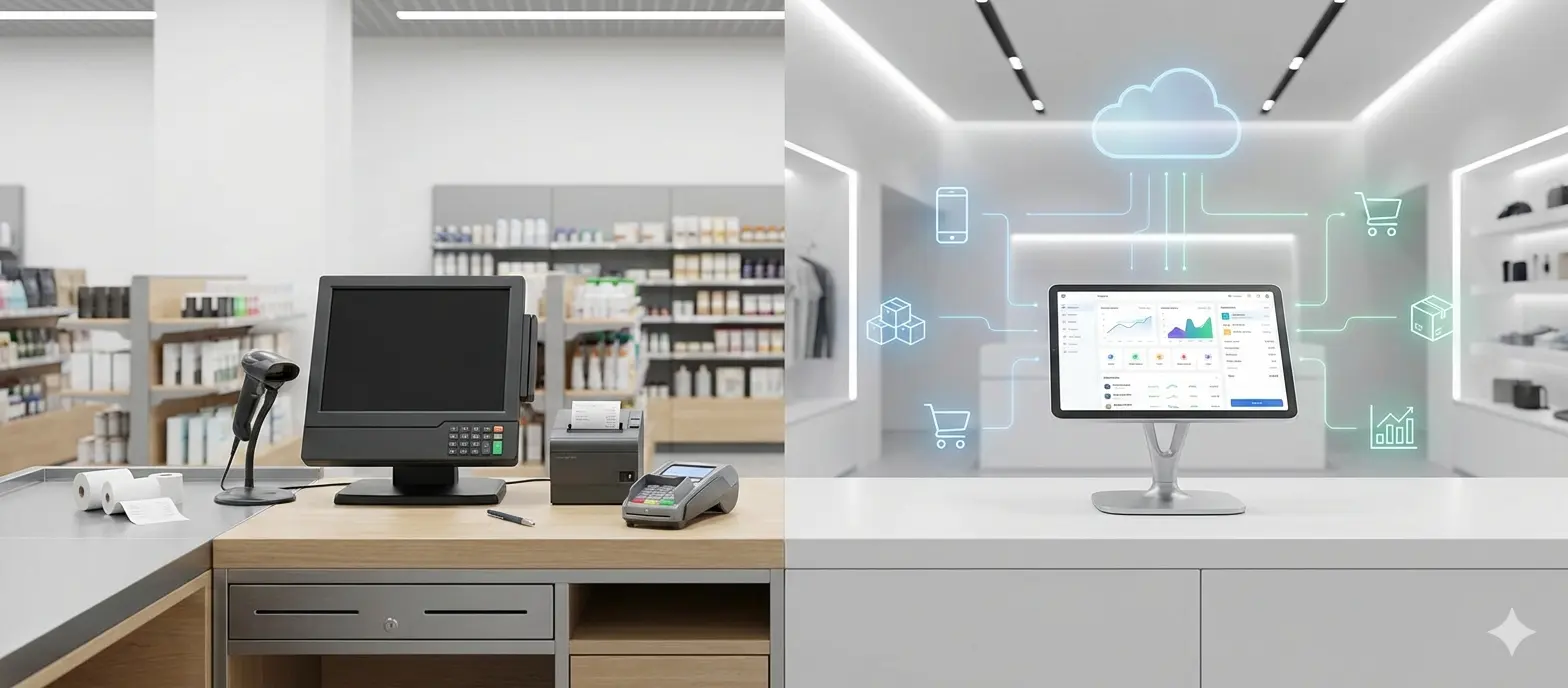
A unified, POS-centric data backbone is what makes that possible. When POS, e-commerce, and order management systems all share the same live data, retailers can:
- Offer reliable buy-online-pick-up-in-store (BOPIS) based on real inventory.
- Process returns and exchanges in any channel with immediate stock updates.
- Keep pricing, promotions, and customer profiles consistent across touchpoints.
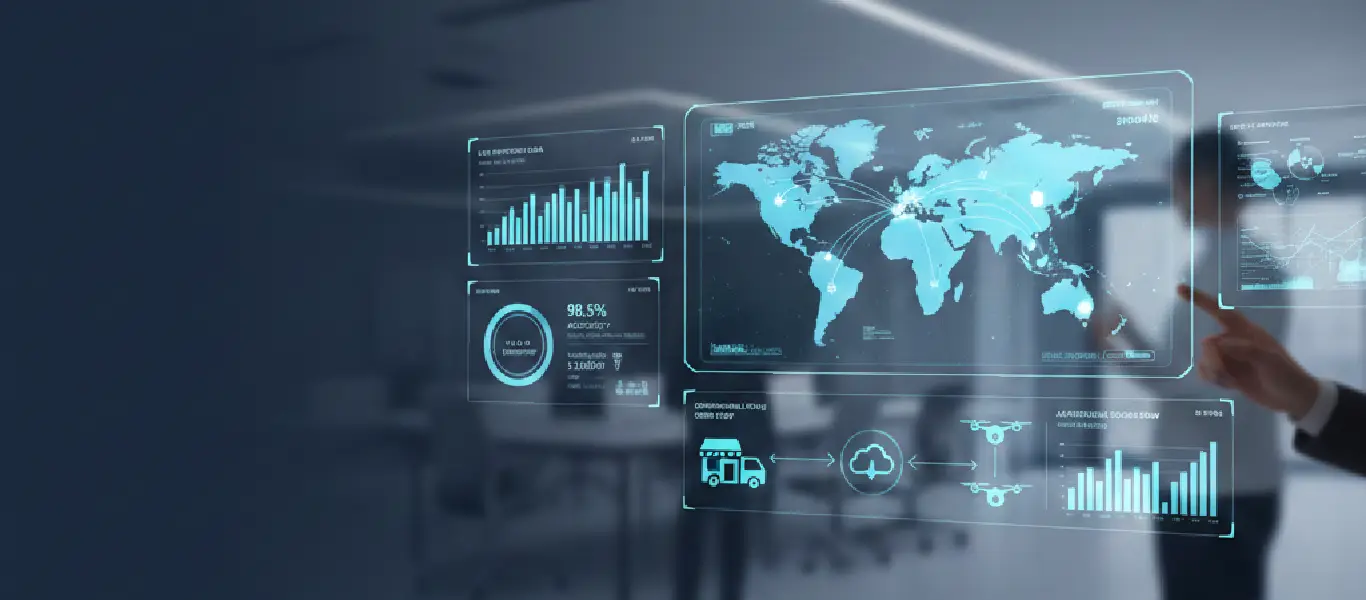
This unified view also reveals the true value of omnichannel customers. Retailers that connect POS and digital data often find that shoppers who buy both online and in-store visit more often, spend more per trip, and stay loyal longer than single-channel shoppers. That insight helps prioritize investments and tailor experiences for high-value segments.
Turning POS Data into a Strategic Asset
The common thread in all of these examples is simple: POS data is no longer just an operational byproduct. It is a strategic asset.
When POS data is accurate, unified, and available in real time, it supports better decisions in inventory, pricing, promotions, and customer experience. It reduces reliance on gut instinct and backward-looking reports, and gives teams the confidence to act faster.
For retail leaders, the priority is clear: ensure that POS data is integrated across systems, clean enough for analytics, and accessible to the teams and tools that need it. Retailers that make this shift are already seeing gains in sales, margin, and customer loyalty, powered by the everyday data flowing through their POS.
If you want to explore how SkillNet can help you turn POS data into a source of real-time insight and better decisions, reach out to us to set up a conversation. We are happy to talk through your current landscape, where POS fits today, and what it would take to move toward a more unified, data-driven retail model.


 Omnichannel and Stores
 Digital Engineering
 Technology Consulting