



Customers know prices are moving.
They are not confused about that.
They see grocery bills. They see fuel costs. They see shipping fees. They see smaller discounts and bigger baskets. They understand that retailers are dealing with cost pressure too.
What they do not like is feeling played.
That is the danger with pricing right now. Not just higher prices. Not just promotions. The bigger risk is price movement that feels random, hidden, or unfair.
Why Pricing Feels Less Predictable Than Ever
A 2025 paper called Retail Price Ripples looked at almost 79 billion weekly price observations across 527 products, roughly 35,000 stores, and 161 retailers. The researchers found evidence that small price increases can outnumber small decreases in ways that are hard for shoppers to notice.
That is not a small idea.
Retail pricing has always moved. But digital shelves, marketplace comparisons, loyalty offers, dynamic promotions, and channel-specific pricing have made those moves more visible and more confusing at the same time.
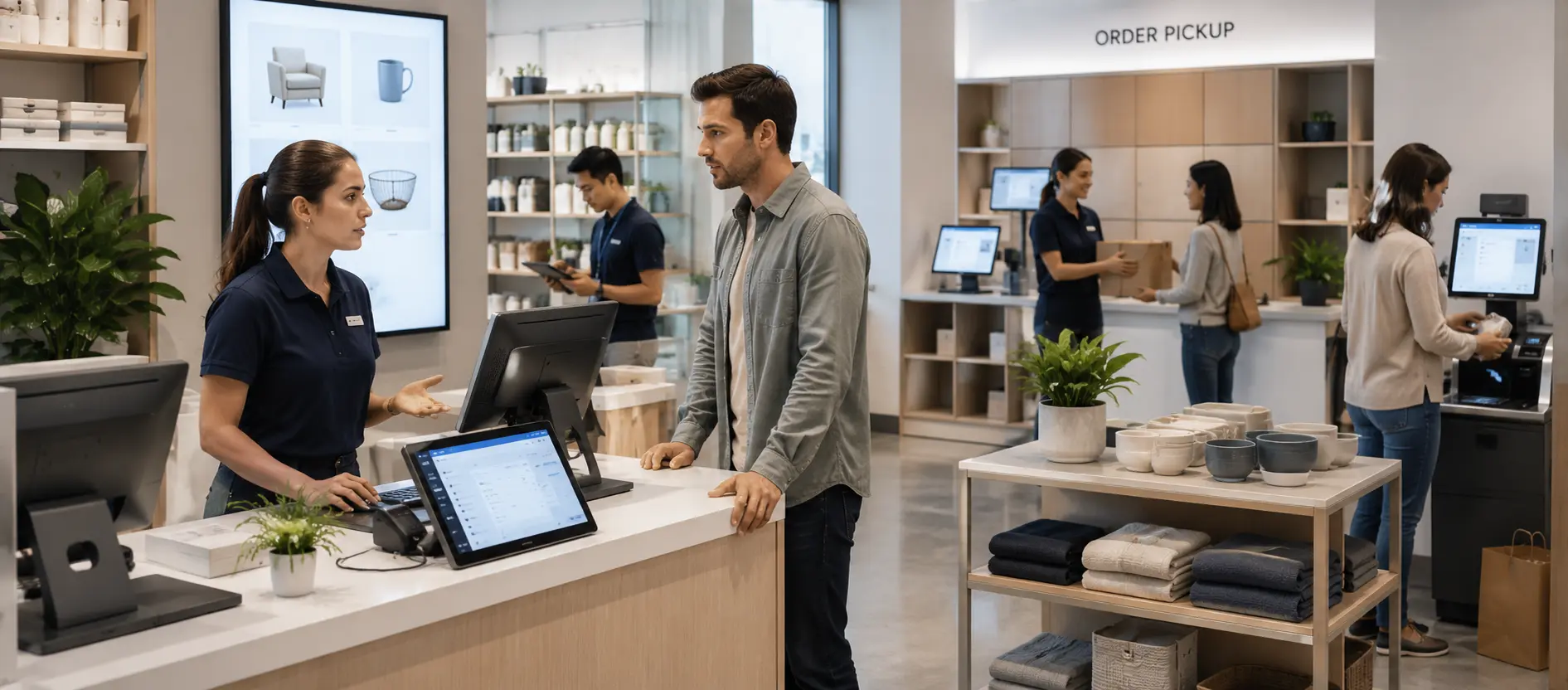
One shopper sees one price in the app. Another sees a loyalty price. The shelf tag says something else. The promotion expired yesterday. The cart total changes when a pickup slot changes. A price match fails because the item number is slightly different.
None of that has to be malicious to damage trust.
It just has to feel slippery.
And shoppers are already primed to be sensitive. The New York Fed’s May 2026 Survey of Consumer Expectations showed one-year-ahead inflation expectations at 3.5%, with job-loss concerns rising and confidence in finding a new job after a layoff dropping to its lowest level since December 2025.
That is the backdrop retailers are pricing into.
Consumers may still be spending, but they are watching harder. April 2026 retail sales rose 0.5% from March, according to Census Bureau data reported by Investopedia, but the same report noted weakness in categories like department stores, clothing, furniture, and autos.
That mix matters.
The customer is not gone. The customer is selective.
When money feels tighter, every price change carries more meaning. A small increase can feel like a signal. A confusing promotion can feel like a trick. A checkout surprise can turn a normal trip into a loyalty test.
Pricing Is More Than Margin – It’s Customer Communication
Retailers often talk about pricing as margin math. That is true, but incomplete.
Pricing is also communication.
It tells customers what the retailer values. It tells them whether loyalty matters. It tells them whether the store is consistent. It tells them whether digital and physical channels are working from the same truth.
The hard part is that price integrity is operational.
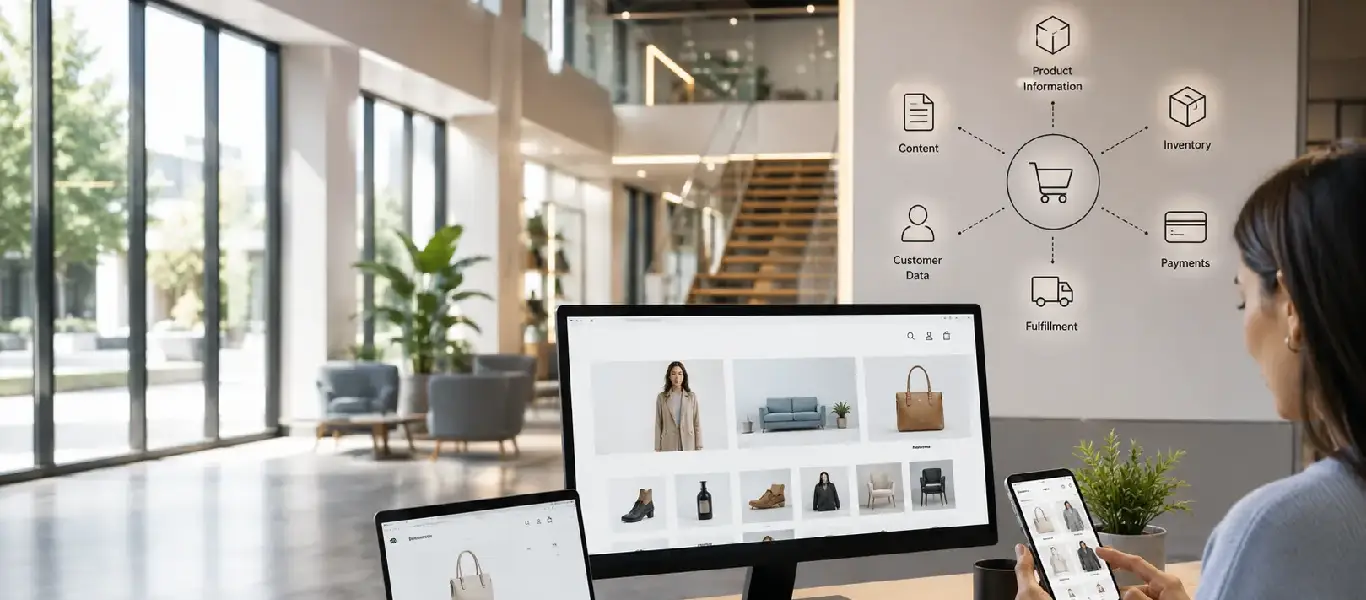
It depends on item data, promotion setup, store execution, channel rules, tax and fee logic, loyalty eligibility, markdown timing, and associate visibility. A pricing decision made in one system has to survive every touchpoint where the customer meets it.
That is where trust breaks.
A customer may forgive a higher price if it is clear. They are less forgiving when the price feels like a moving target.
This is especially true for retailers running more personalized offers, more local pricing, more digital promotions, and more marketplace-style assortments. The more flexible the price engine becomes, the more disciplined the rules need to be.
Otherwise, personalization starts to feel like inconsistency.
A good pricing experience does not mean every customer gets the same offer. It means customers can understand the offer they got, why it applies, and what happens at checkout.
That sounds basic.
Basic is exactly what matters when trust is thin.
The Operational Questions Retailers Need to Answer
Retailers should be asking sharper questions now.
Can store associates explain the price the customer sees online? Can the POS honor the same promotion the app showed five minutes ago? Can the ecommerce team see why the basket total changed? Can loyalty pricing be audited without a war room? Can customers understand the difference between a markdown, a coupon, a member price, and a marketplace seller price?
If the answer is no, the pricing problem is not only financial. It is operational.
Bottom line: in 2026, price changes do not just affect conversion. They affect trust. And trust is much harder to win back than margin points.
Want to see how SkillNet helps retailers connect pricing, promotions, orders, and customer data? Learn more about Aplicativos de Comercio Moderno y Analíticos.


 omnicanal y tiendas
 Ingeniería
 Technology Consulting