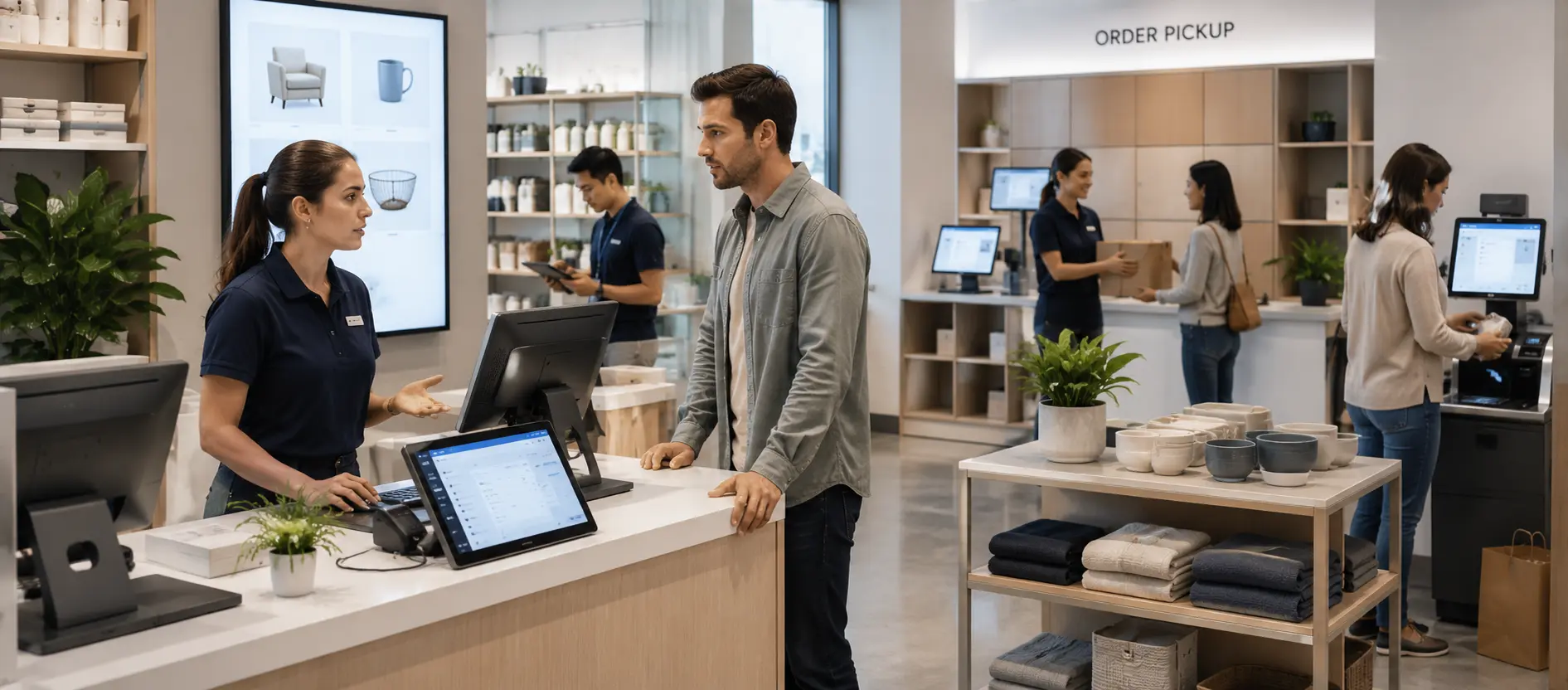



Most retailers spend a lot of time polishing the checkout experience: faster lines, better training, more payment types. Those upgrades matter, but they don’t always solve the real moment where customers hesitate: the instant they see the total and decide whether to go through with it.
That pause is the hidden leak in revenue. It’s when a shopper starts doing mental math, re-evaluating what’s in the basket, and deciding what can be “put back for now.” And in categories like electronics, appliances, furniture, and seasonal shopping, that hesitation happens constantly because the ticket sizes are higher.
The simple change many stores still overlook
In a typical checkout flow, the customer sees one number: the full amount due today.
- “Can I justify this right now?”
- “Is this more than I planned to spend?”
- “Do I really need everything in the cart?”
Even shoppers who want the product can back away if paying the entire total immediately feels like a hard hit.
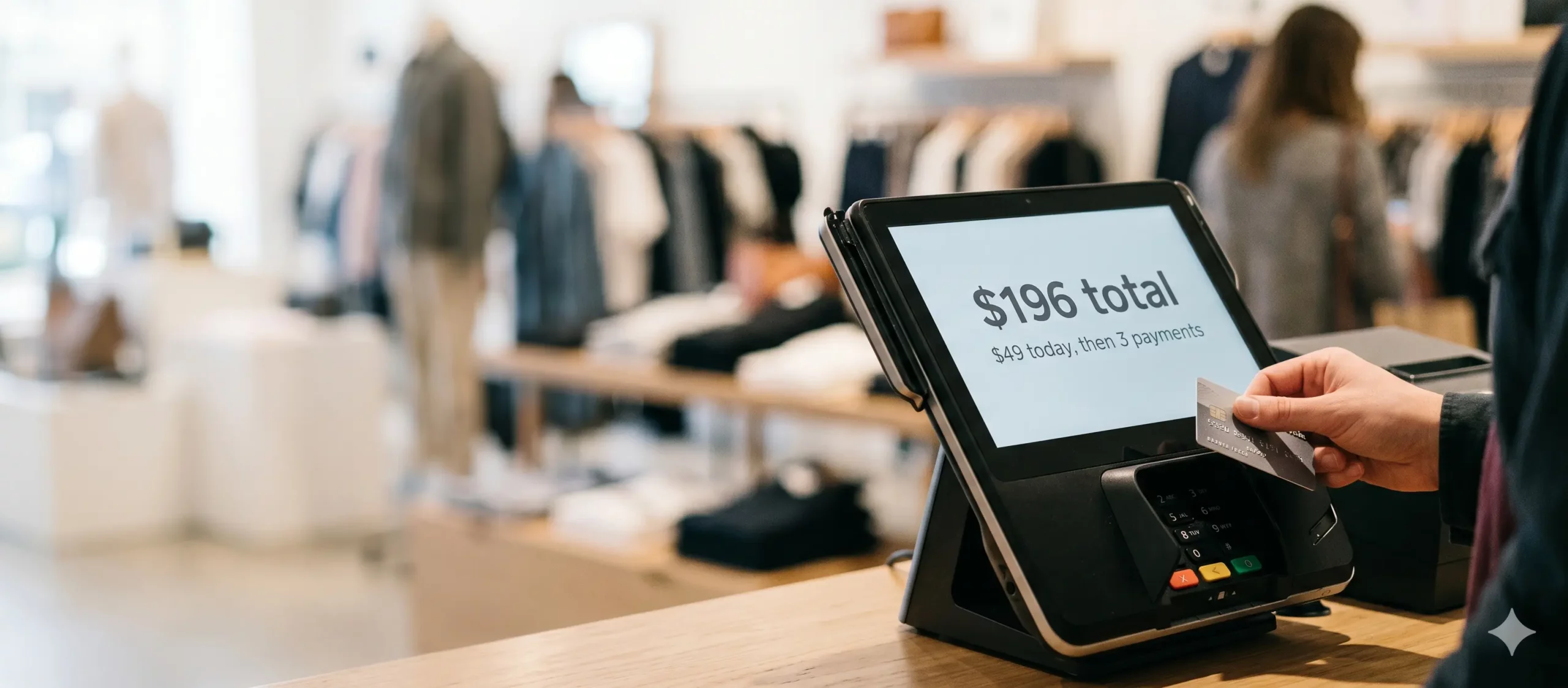
The smartest retailers are reframing that decision by making flexible payments visible at the exact point of purchase. Instead of showing only the full total, they also present a smaller “today” amount right at the register and within the normal payment selection.
In practice, it looks like this:
“$49 today, then 3 more easy payments.”
instead of
“$196 right now.”
Buy Now, Pay Later options or “Pay in 4” plans aren’t new anymore. What’s different is where and how they’re surfaced. When they’re positioned as a natural part of checkout, not buried in a separate flow or explained awkwardly, they reduce decision friction. The shopper isn’t being “talked into” spending more; they’re being given a more manageable way to say yes.
Why it works (without feeling gimmicky)
When a customer sees an affordable first payment alongside the full amount, the purchase stops feeling like one big commitment. It becomes a smaller, more digestible step. That changes the emotional temperature of checkout less “risk”, more “okay, I can do this.”
And because customers are less worried about the immediate impact on their budget, they’re also less likely to remove items at the last second. For retailers, that often shows up as:
- Higher completion rates (fewer abandoned checkouts)
- Higher average order values (fewer items removed)
- Stronger conversion on higher-ticket categories
The data support this. Studies have reported that customers become 22% more likely to complete their purchase when flexible payments are present and easy to select. Retailers also report average order values increasing by 18–25% when installment options are available at checkout. In some segments, the lift can be even higher; certain analyses cite conversion improvements of up to 30%, depending on category and customer mix.
These numbers don’t come from “tricking” shoppers. They reflect real decision behavior. When customers feel less financial pressure in the moment, they follow through more often.
Where this makes the biggest difference
Flexible payments can help in almost any retail environment, but the impact is especially noticeable when customers are already spending more than usual or shopping under time pressure, including:
- Holiday and gift seasons
- Back-to-school runs
- Summer refresh (patio furniture, outdoor products)
- Big-ticket replenishment cycles (electronics, appliances, home improvement)
- Fashion baskets that build quickly and spike at checkout
In these situations, shoppers often want to buy more, but they need the purchase to feel comfortable in the moment. Presenting installment options at checkout helps them keep the basket intact.
The bottom line
The “secret trick” isn’t a clever script or a flashy upsell. It’s simply reducing hesitation by making flexible payments part of the standard checkout flow.
Retailers who do this well aren’t just adding another payment method. They’re removing the biggest reason customers say “not today.”
If you’re evaluating how to introduce Buy Now, Pay Later (or make it more effective with your current POS), SkillNet Solutions can show you what it looks like in a real-world store environment and how it fits your exact setup without slowing down the line or confusing associates.
Schedule a free demo today and see how much revenue could be sitting in that final moment at checkout.


 omnicanal e lojas
 Engenharia
 Technology Consulting